


APPLICATIONS
Botany and Crop Science
Shaping the Future of Agriculture
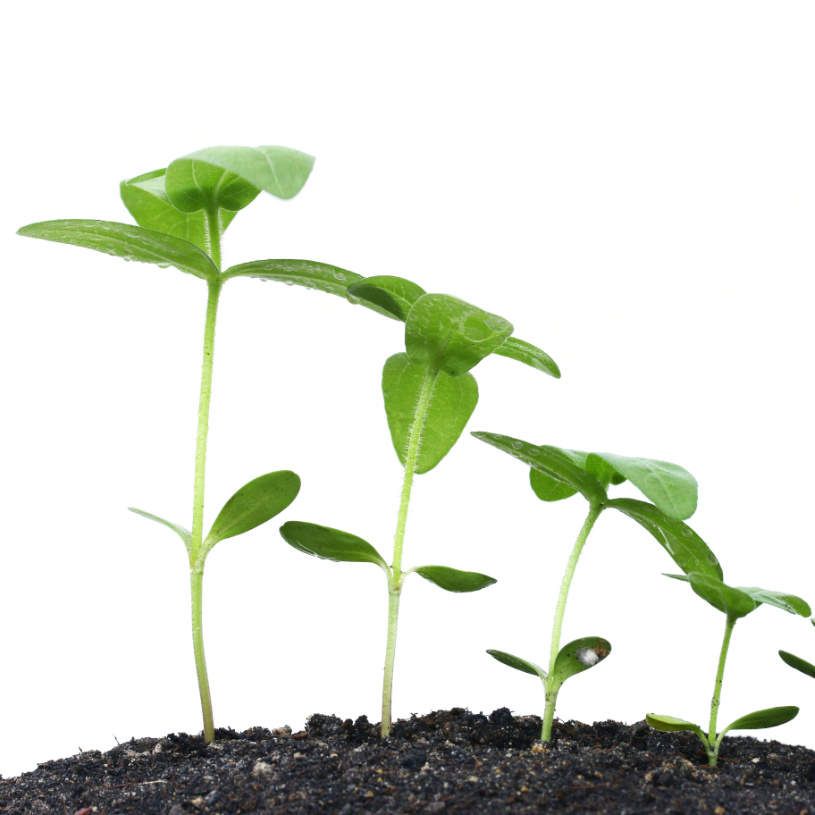
What is Botany?
Botany, also known as phytology or plant science, is the scientific study of plants. It explores their structure, growth, reproduction, metabolism, and interactions with the environment. From towering trees to microscopic algae, botany seeks to understand the diversity of the plant kingdom and the roles plants play in ecosystems. Botany combines observation, experimentation, and modern technology to uncover the mysteries of plant life, offering insights that are essential for conservation, medicine, and sustainable living.
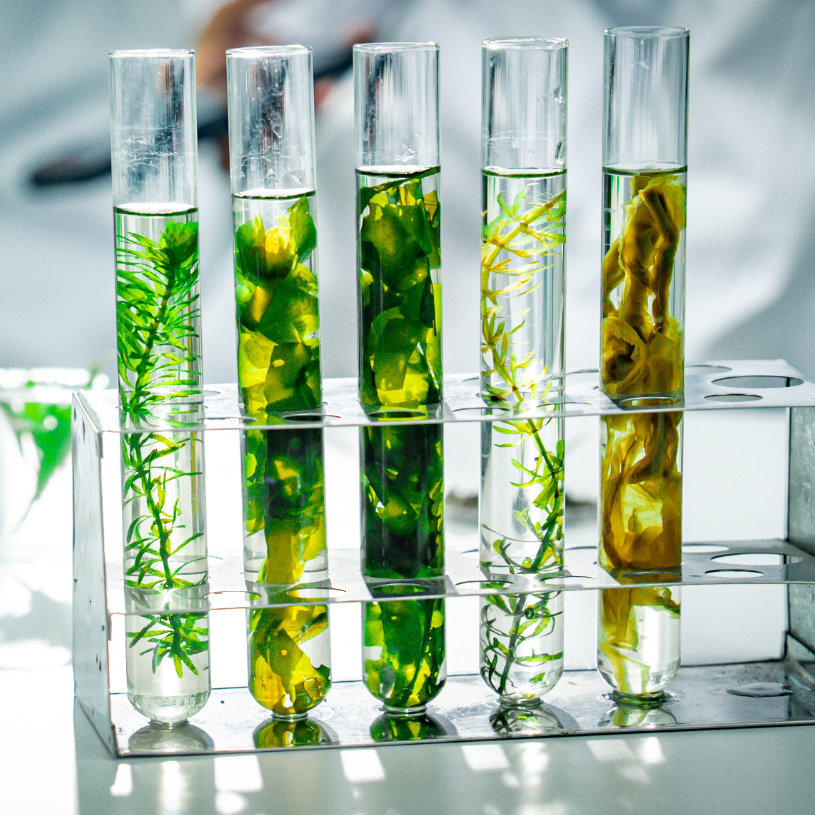
Why Study Plants?
Studying plants is vital for sustaining life on Earth. Plants produce oxygen, form the basis of the food chain, and regulate climate and ecosystems. By understanding plant biology, we can protect endangered species, restore habitats, and develop solutions to environmental challenges. Botany also enhances our knowledge of natural resources, supports medicine and nutrition, and informs strategies for adapting to climate change. Essentially, exploring the plant world deepens our connection to nature and equips us to meet global ecological and societal needs.
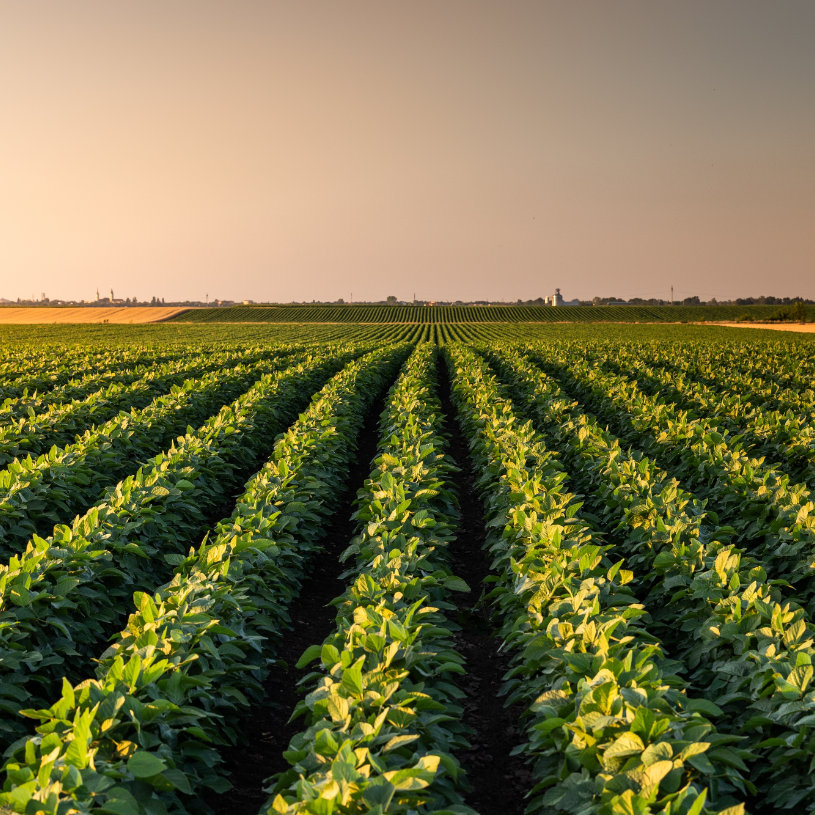
What is Crop Science?
Crop science is a multi-disciplinary field focused on the research and development of plant-based crops. It encompasses the cultivation, management, processing, and production of crops, combining practical agricultural knowledge with scientific understanding. Often used interchangeably with agronomy, crop science aims to improve crop performance, sustainability, and resilience. Researchers investigate ways to achieve higher yields, develop varieties resistant to drought, pests, and diseases, and optimise crop quality. Through innovation and applied research, crop science ensures food security while addressing environmental and economic challenges in agriculture.
Why is Crop Science becoming important?
Ensuring Sustainable Harvests
Crop science helps farmers adapt to extreme weather and climate shifts. Advanced breeding produces crops with better stress tolerance and efficiency, supporting stable yields and higher nutritional quality for a growing world.
Food production must rise 70% by 2050
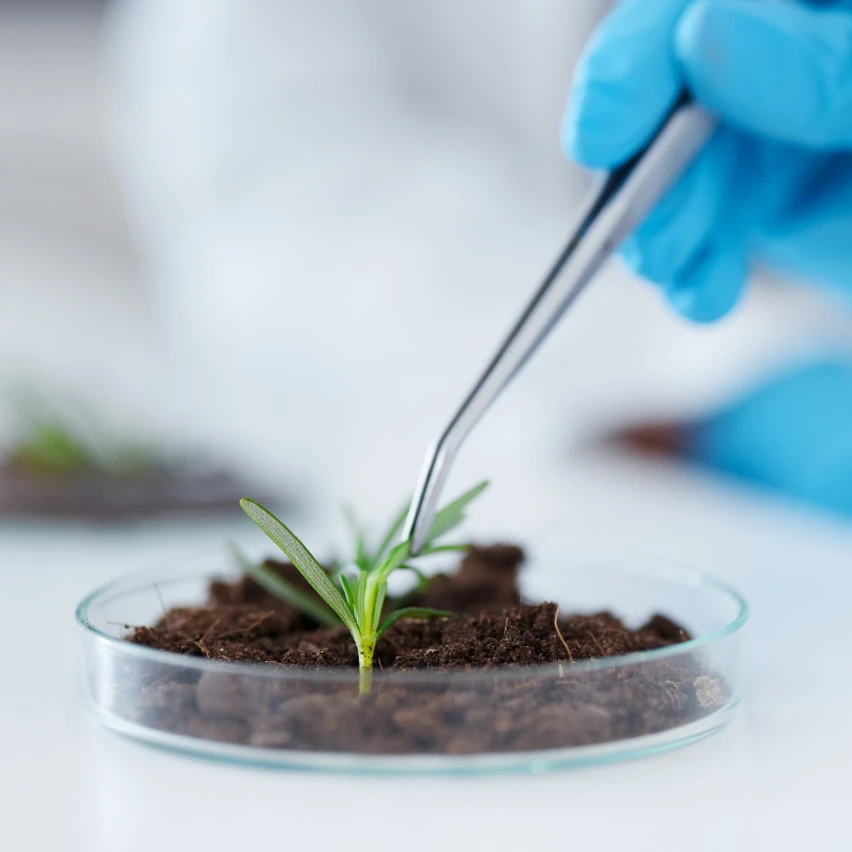
Feeding a Growing Population
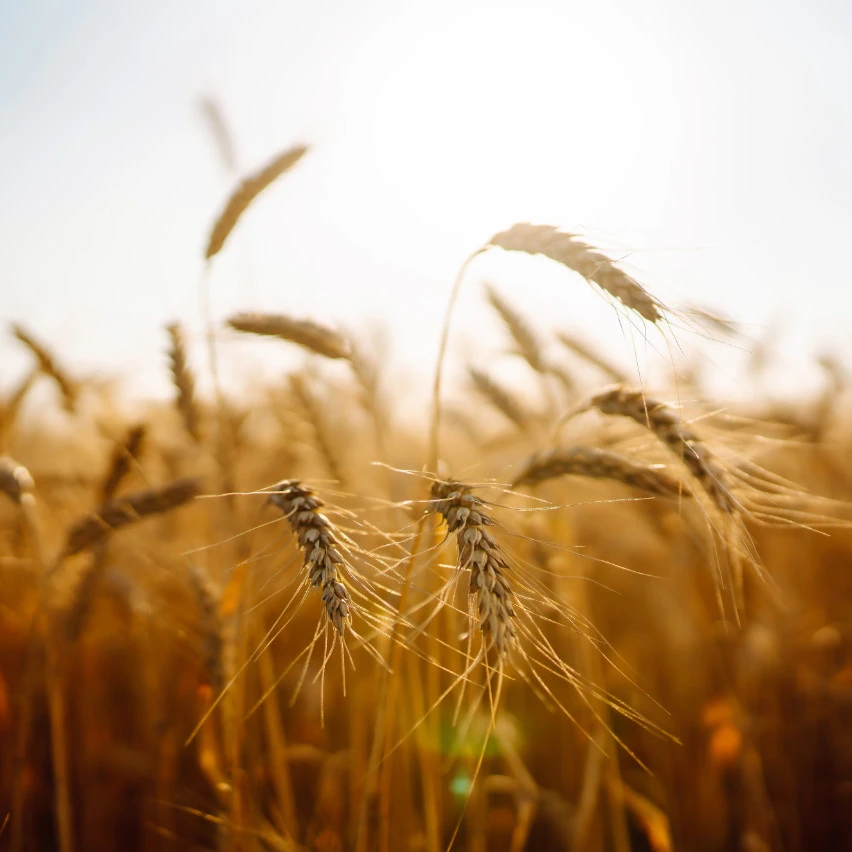
Crop science is vital as the world’s population continues to grow and climate pressures intensify. Since the earliest farming of grain, humans have relied on improved crop varieties to increase yields. Today, crop science accelerates these advances, helping develop breeds that can withstand drought, heat and pests. This research is essential to feed billions more people without expanding farmland, preserving ecosystems and reducing environmental impact.
Wheat yields doubled since 1960
Building Climate Resilience
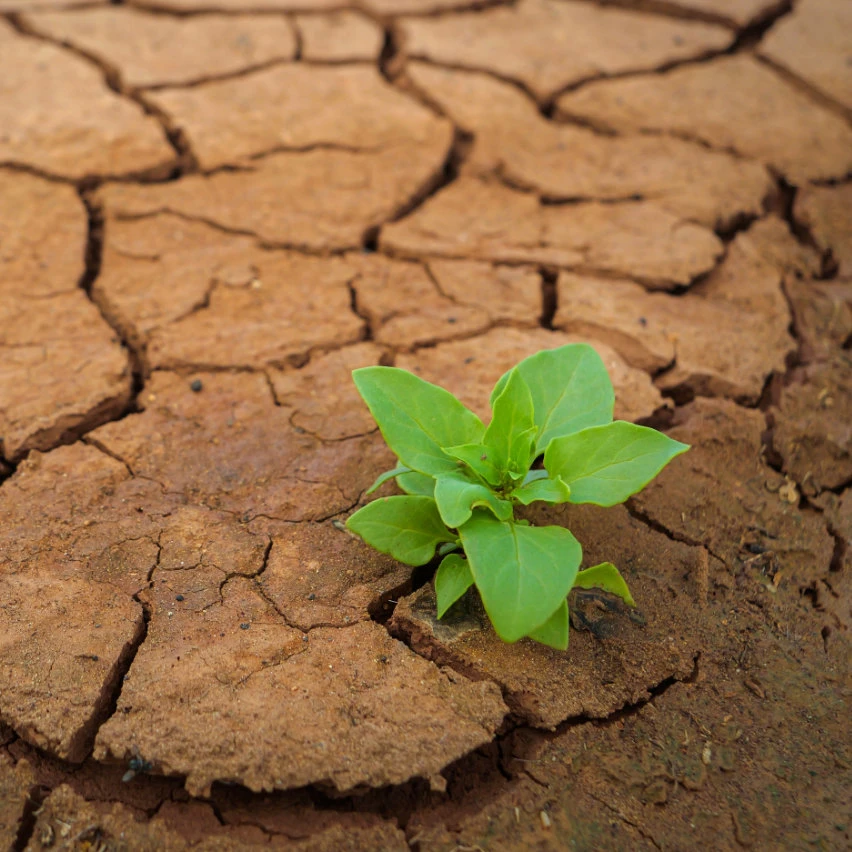
Crop science is key to adapting agriculture to climate change. By studying crop performance under heat, drought, and disease, crop science develops resilient varieties that maintain high yields. This reduces pesticide use and strengthens farming systems worldwide, making agriculture more sustainable.
~200 crop species consumed worldwide
MMIs Precision Tools for Advanced Crop Science Research
MMI provides advanced solutions for crop science that enable the precise isolation of single cells for downstream analyses.
The video demonstrates the isolation of a single cell from the epidermal tissue of Nicotiana benthamiana with the MMI CellCut
MMIs Solutions for Plant Cells
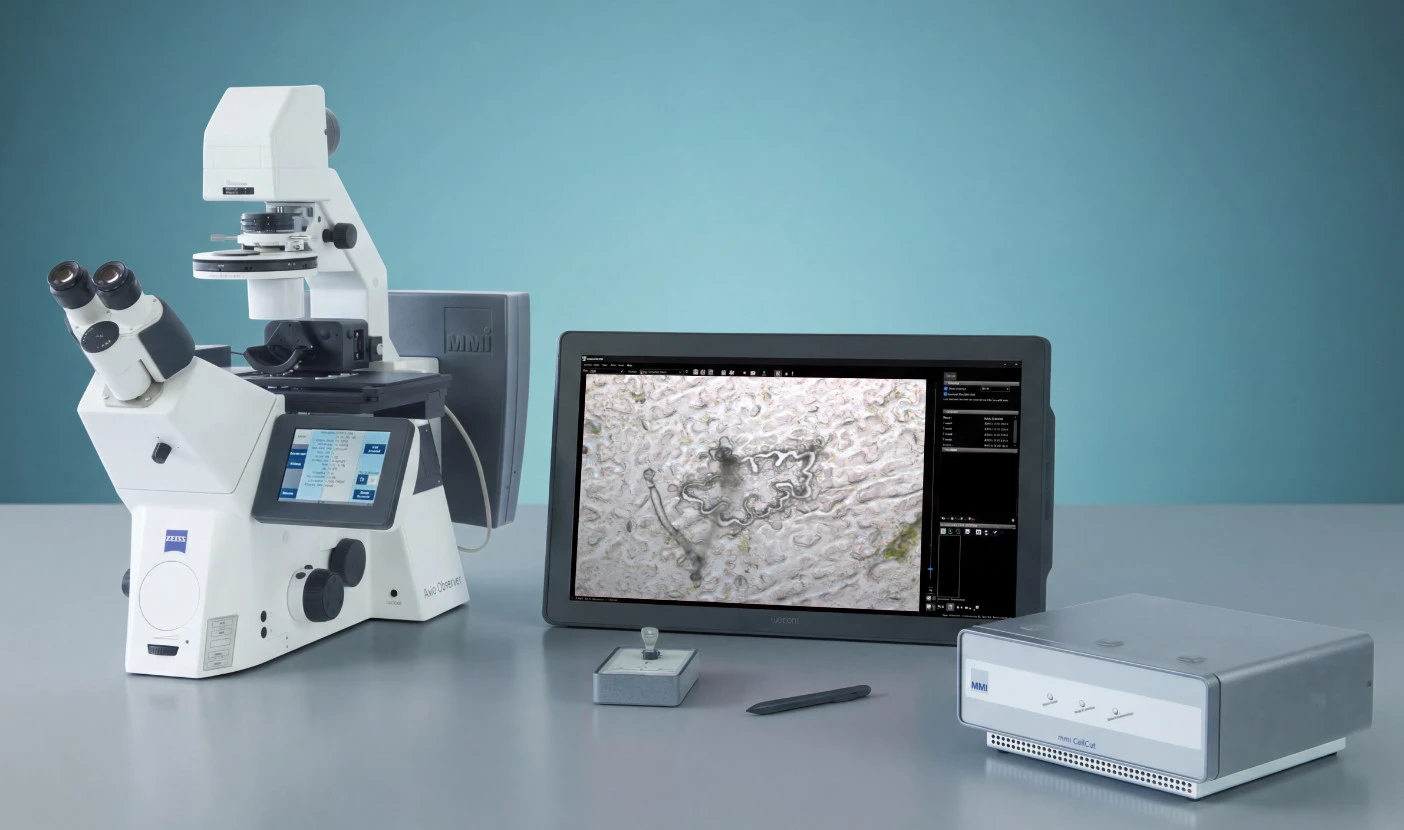
CellCut: Reliable Plant Tissue Isolation
The MMI CellCut laser microdissection system allows efficient excision of a wide range of plant tissues, including leaves, embryos, pollen and grains. Even thick or moist samples can be processed, making it possible to reliably separate infected areas from healthy tissue across different plant structures.
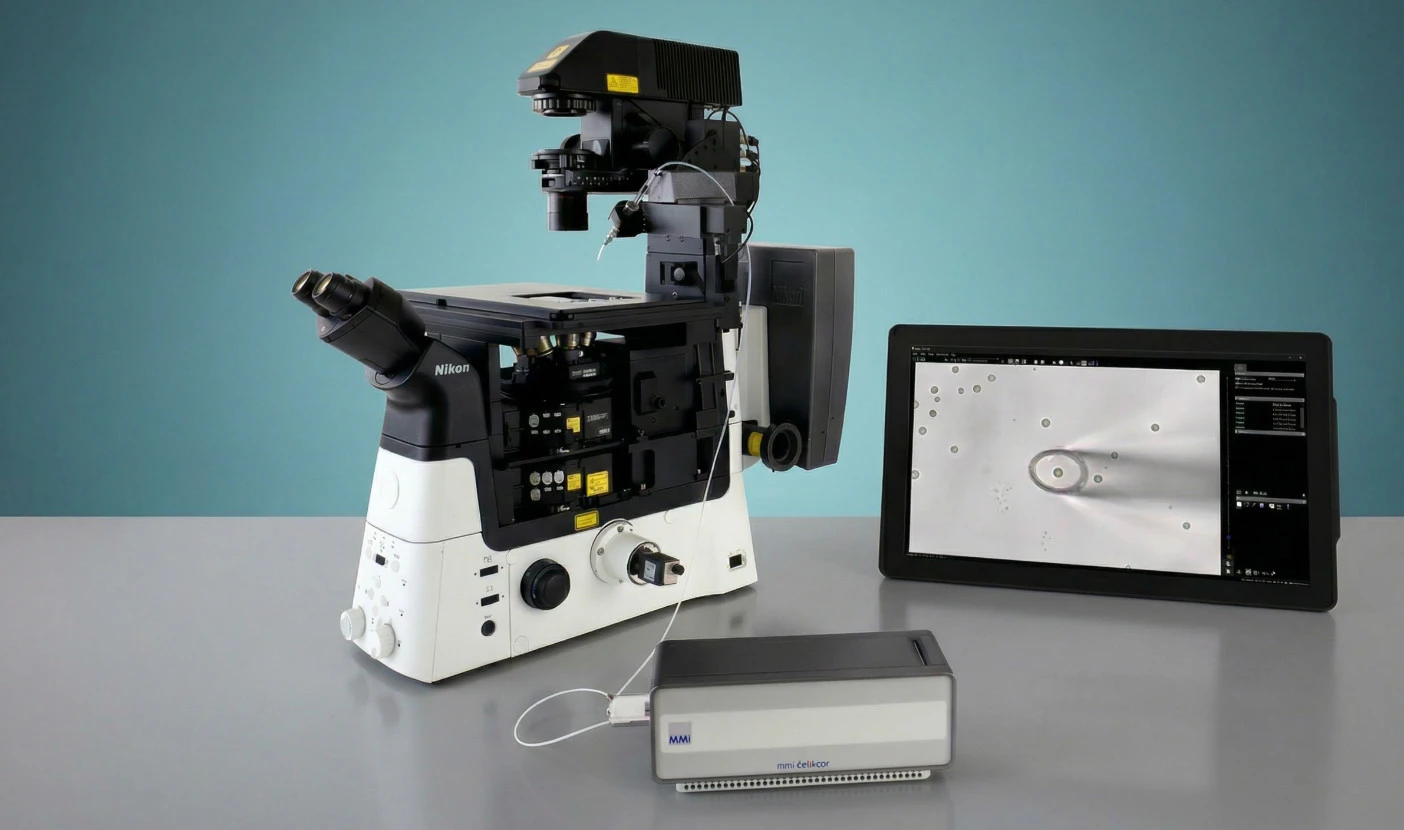
CellEctor: Selective Cell Picking Made Easy
The MMI CellEctor cell picker allows selective isolation of individual cells or particles from suspensions or cultures, such as protoplasts or pollen. Its precision supports downstream analyses and targeted research applications.
Voices from the Lab
Down to the Organelle: Björn Krenz on Plant Cell Isolation