

Innovation in Crime Investigation
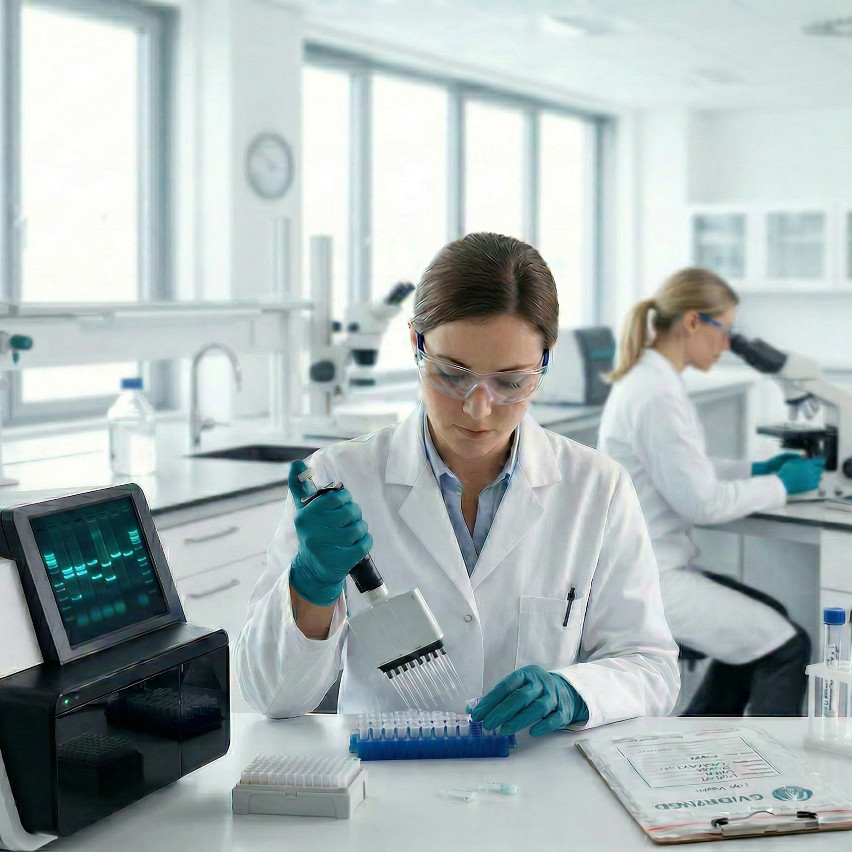
Forensic sciences refer to a broad field of scientific disciplines used to support criminal and civil investigations. It combines areas such as DNA analysis, forensic biology, pathology, and biotechnology to examine and interpret biological evidence. Forensic scientists collect, preserve, and analyses samples including blood, tissue, and genetic material to uncover crucial information. By applying advanced molecular and analytical techniques, forensic sciences help reconstruct events, identify individuals, and provide reliable evidence for legal proceedings.
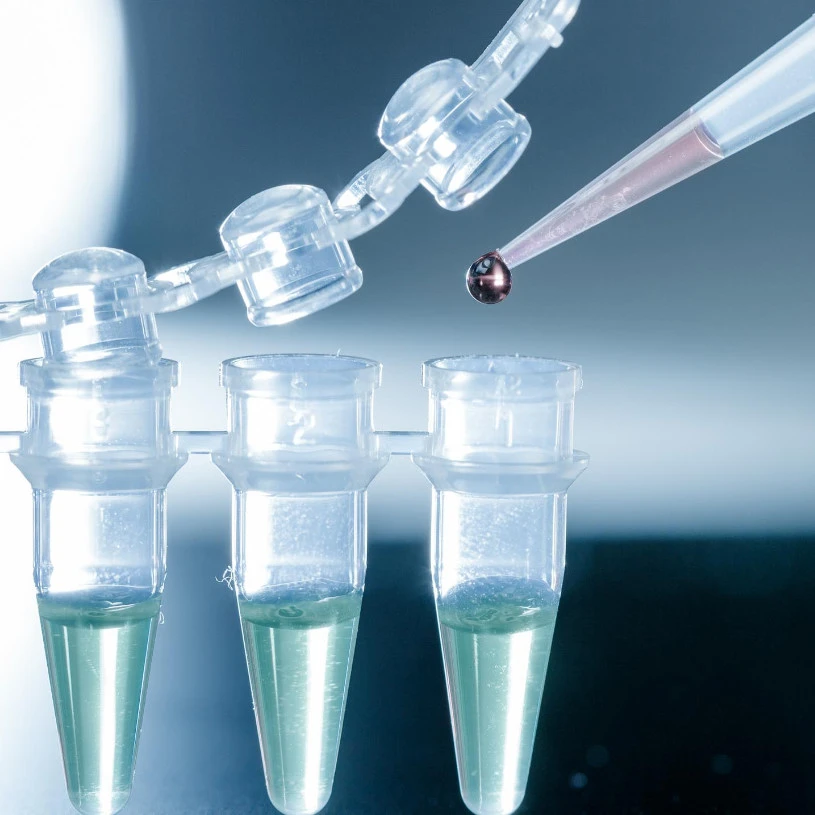
One of the biggest challenges in forensic sciences is working with extremely small amounts of DNA. Often, only trace biological material is available, making extraction and amplification difficult. Scientists must use highly sensitive PCR techniques while avoiding contamination. Even minor losses during handling can significantly affect results, so specialized protocols and materials are required to preserve every molecule.
PCR detects DNA from <10 cells
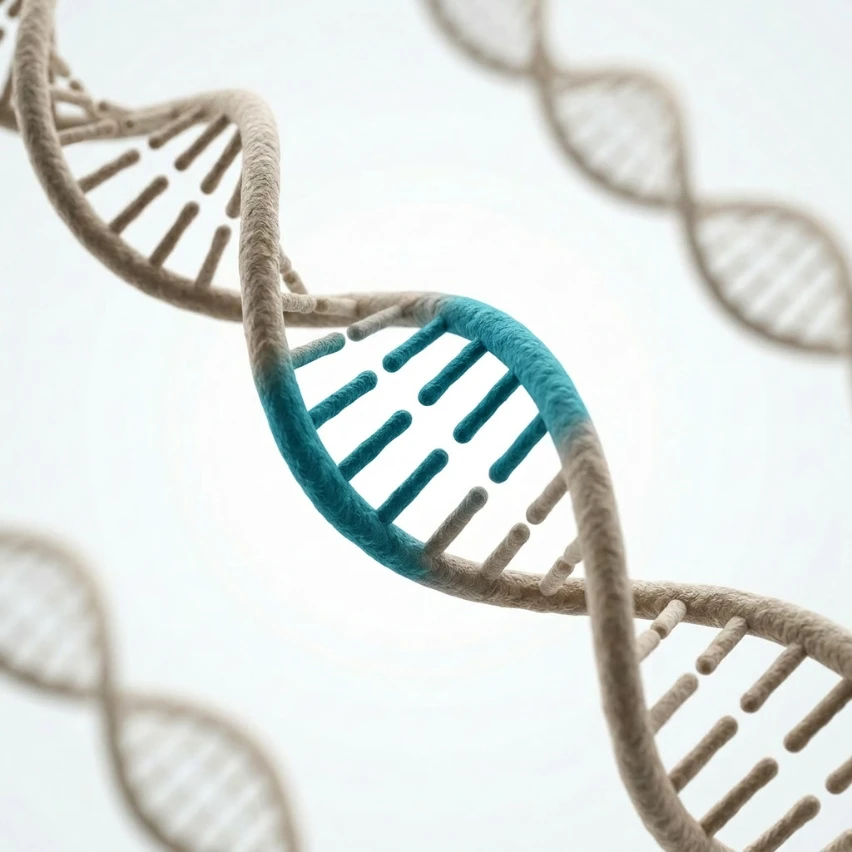
Another key issue in forensic sciences is the rapid degradation of biological samples. Environmental factors such as heat, moisture, and microorganisms damage DNA over time, reducing its quality. Forensic biotechnology focuses on developing techniques to stabilize and repair degraded DNA, allowing accurate analysis even from compromised samples.
DNA half-life ≈ 521 years
In forensic sciences, samples often contain DNA from multiple individuals, making interpretation highly complex. Biotechnological tools, like next-generation sequencing, help separate and analyse mixed genetic material. At the same time, strict contamination control is essential since even minimal foreign DNA can influence results and affect the reliability of forensic conclusions.
40% of samples = complex mixtures
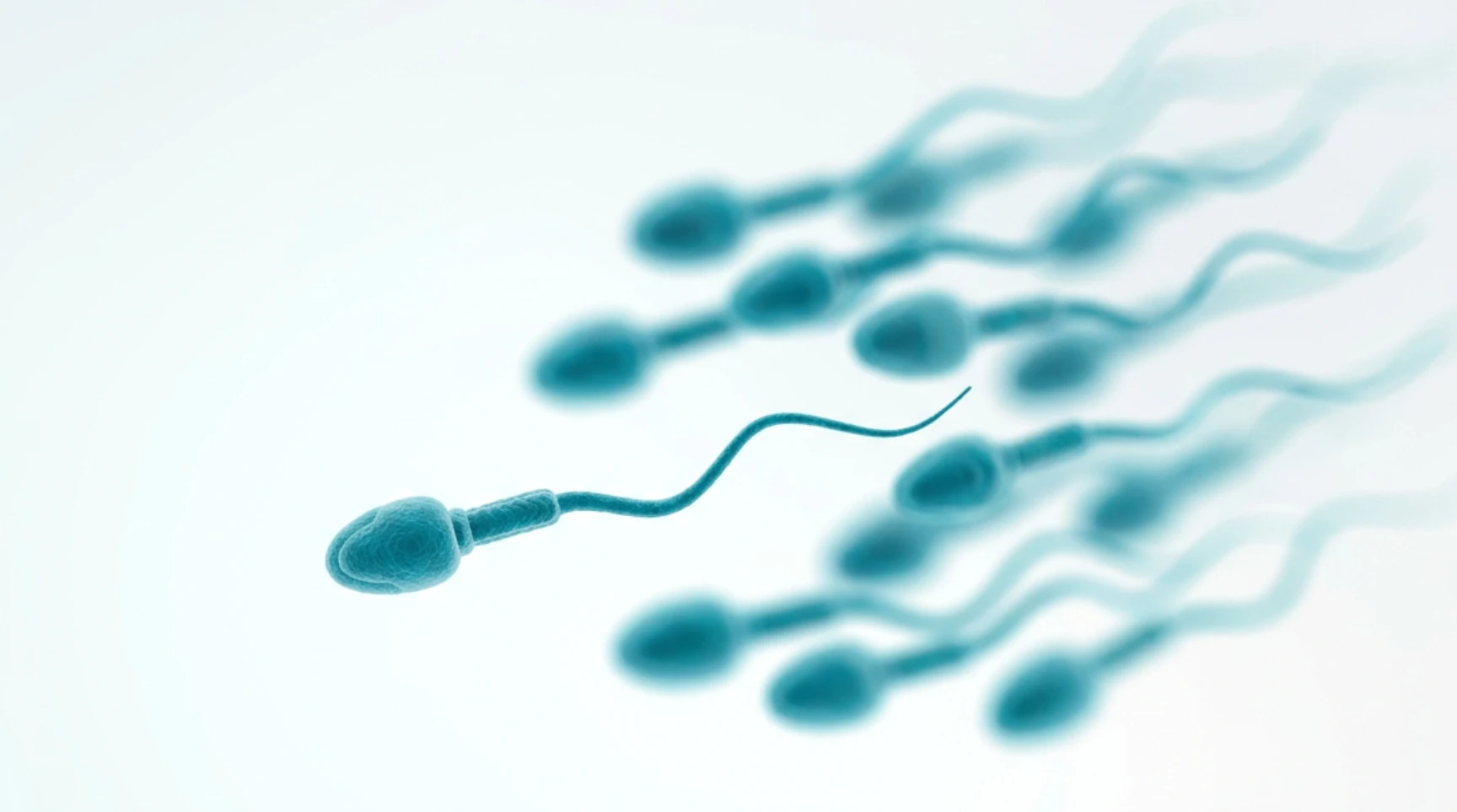
The video shows the isolation of a single sperm cell using the CellEctor cell picker.
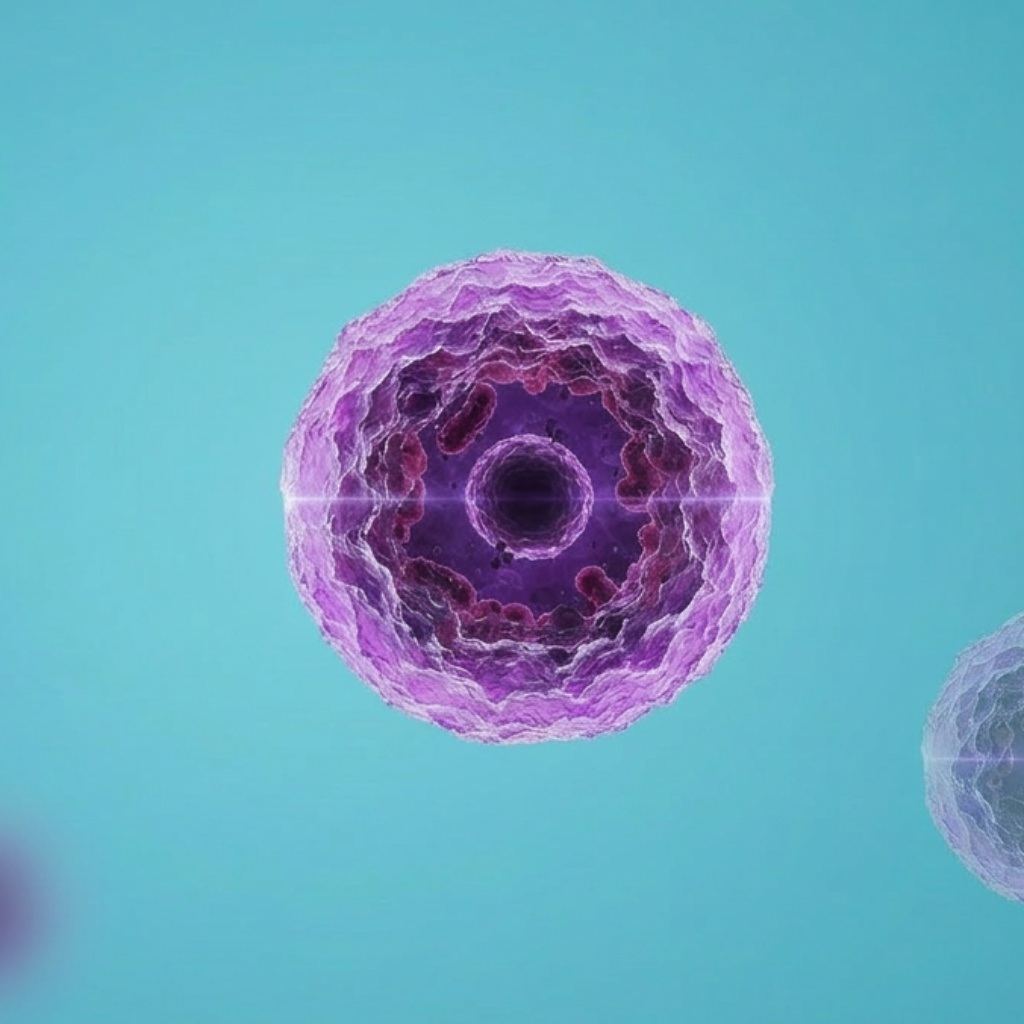
Whether analysing forensic tapes, blood samples, or swabs from sexual assault cases, MMI systems allow the targeted isolation of single cells such as sperm cells masked by high concentrations of the victim’s DNA. The MMI CellCut laser microdissection system and CellEctor cell picker offers full visual control, documentation, and can collect hundreds of cells per run, maximising the chances of generating high-quality DNA profiles for database searches.
MMI instruments are also ideal for revisiting archived slides in cold cases, providing robust, user-friendly, and fast results for downstream DNA analysis. Fully customisable and integrable on a single microscope platform, MMI technologies are an essential tool in forensic sciences.