

Advancing spatial biology through accurate
cell segmentation and integrated downstream analysis
AI-Driven Cell Segmentation with Maximum Flexibility
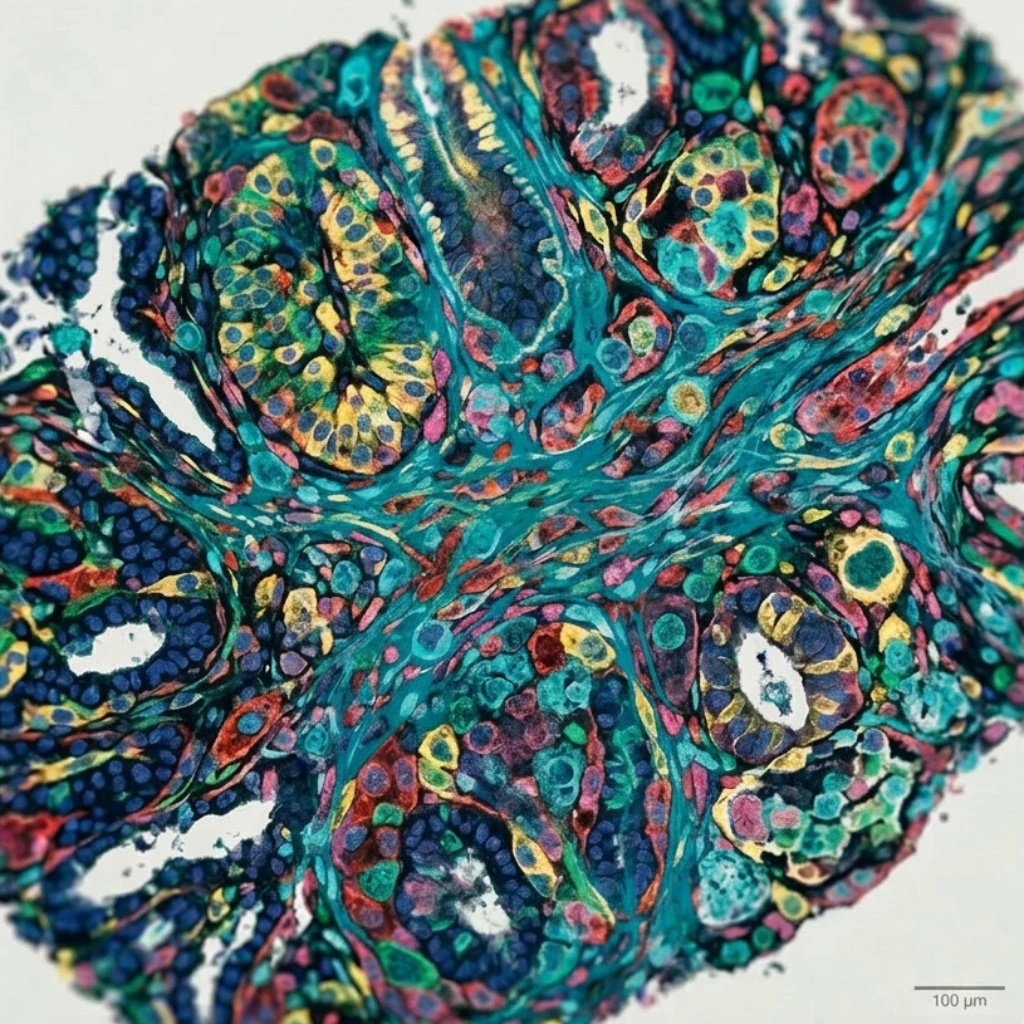
Cell segmentation with CellDetector enables flexible detection on live or whole-slide images using colour, texture, and contextual features for machine learning-based analysis.
Cell Segmentation Meets ROI Isolation
Cell segmentation combines with CellCut or CellEctor, enabling direct ROI isolation without alignment for precise single-cell workflows.
For Reproducible Research
Cell segmentation with CellDetector ensures consistent, reproducible results in complex tissues by using advanced algorithms which improve accuracy and reduce manual correction.
For Large-Scale Studies
Cell segmentation with CellDetector automates image analysis, speeds up processing, and supports high-throughput spatial omics and large-scale research studies.
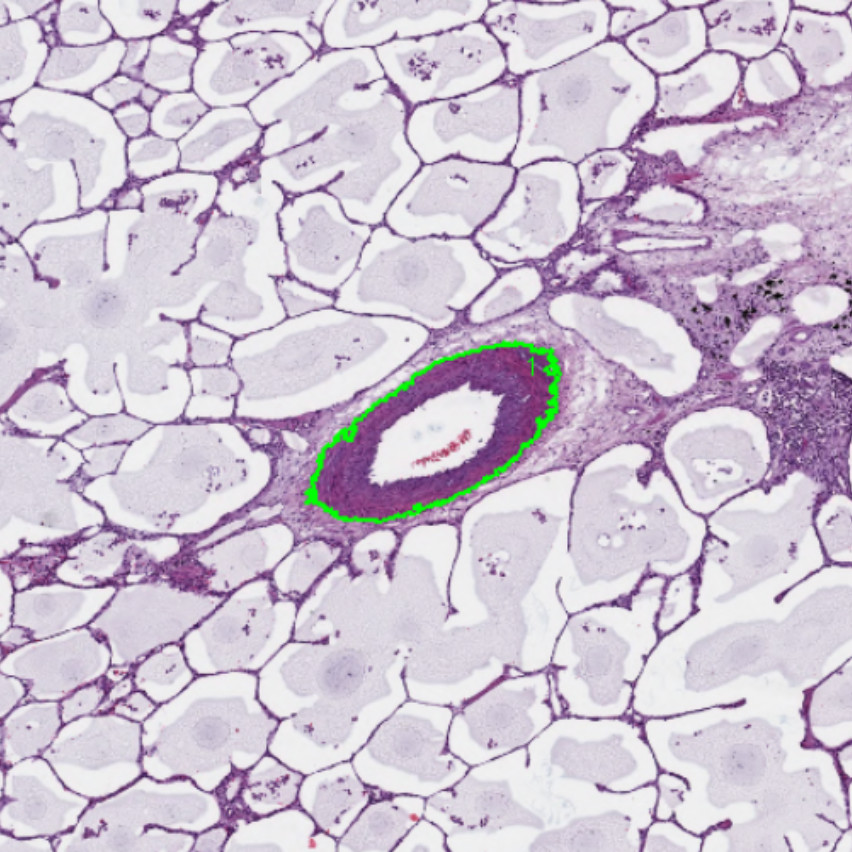
Cell segmentation is a crucial step in Spatial Biology, enabling researchers to identify and analyse individual cells within complex tissue structures. Accurate segmentation allows scientists to understand cellular heterogeneity and spatial context. Following cell segmentation, isolated regions are often required for downstream analysis, commonly achieved through laser microdissection.
The CellDetector is an advanced image-based cell segmentation software designed to streamline this workflow. It integrates directly with the LMD system, CellCut, allowing seamless transfer of segmentation data—such as detected single cells. This enables precise and gentle isolation of target regions for spatial omics analyses. Since the data is directly connected, no additional alignment step is required, saving time and reducing errors.
Cell segmentation using CellDetector is designed to be intuitive and accessible. Anyone with a basic understanding of tissue morphology can train the AI-based software to identify and segment ROIs for further downstream analysis.
Create a digital slide using the MMI CellScan or any other whole slide scanner.

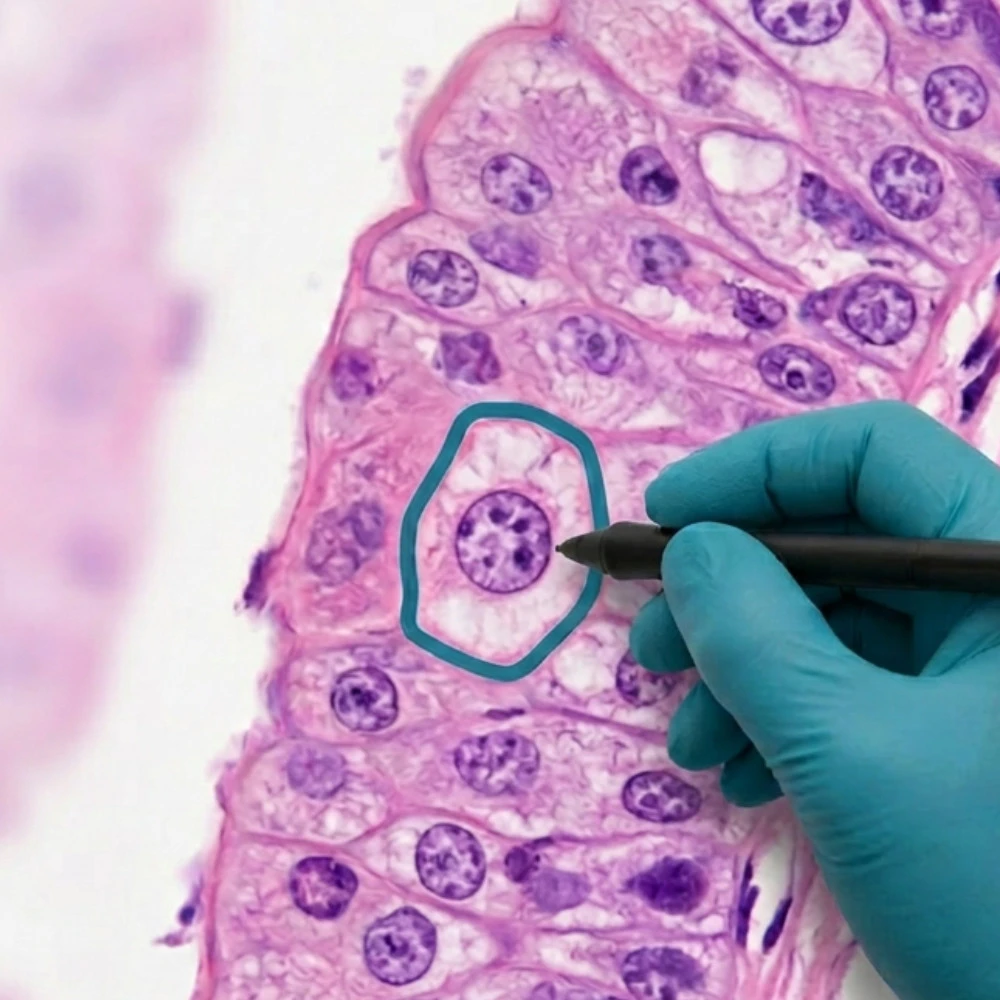
Annotate the ROIs you want to identify using any markers (stained, unstained, or IF).
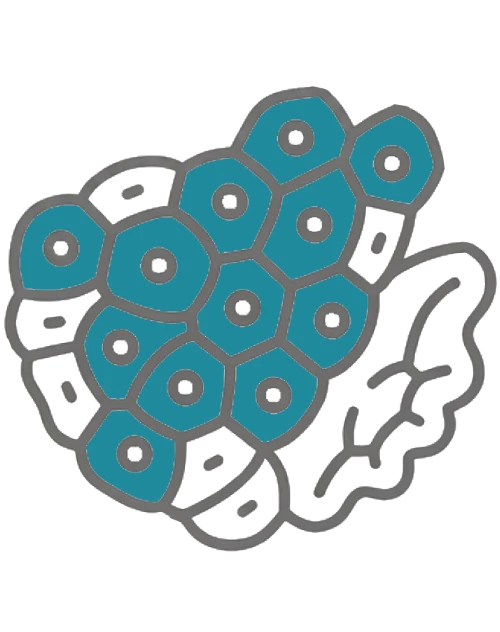
CellDetector detects all ROIs, even within large and complex datasets.
Isolate your ROIs with MMI CellCut via laser capture microdissection, or use the MMI CellEctor cell picker for isolating single cells in suspension.
CellDetector integrates directly with the CellCut laser microdissection system, allowing ROIs to be detected within the live image. These ROIs are then gently isolated with CellCut into single tubes or 96-well plates, without the need for an additional image alignment step.
Cell segmentation with CellDetector therefore streamlines laser microdissection workflows, improving accuracy and reducing potential sources of error.
Isolation without image alignment
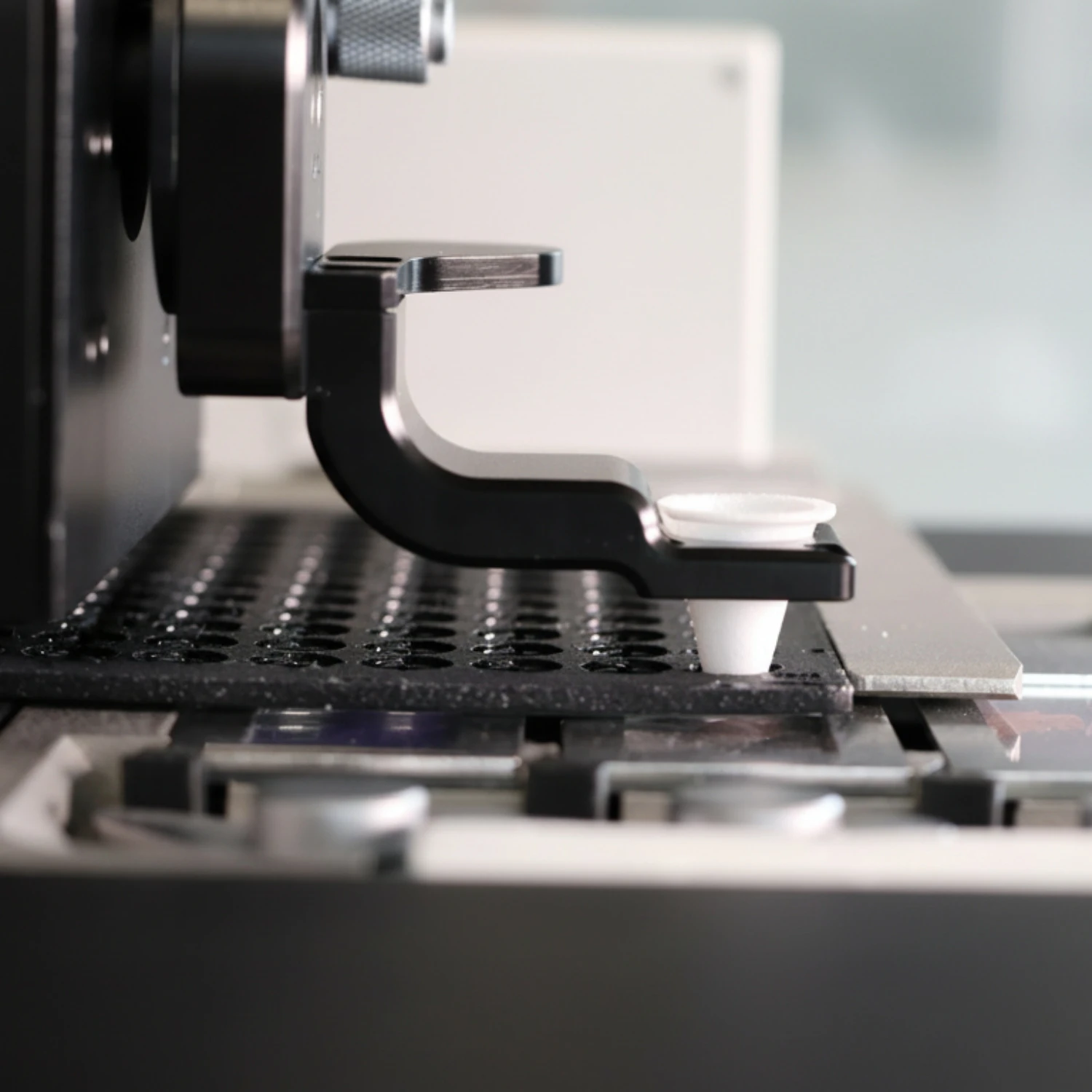
CellDetector can be combined with the MMI CellEctor to enable advanced single cell isolation workflows. This integration allows cells in suspension, such as circulating tumour cells (CTCs), to be identified based on fluorescence signals. Once detected, target cells can be automatically isolated using the CellEctor system. This streamlined approach ensures precise, efficient, and gentle handling of rare cells for downstream analysis.
Automated cell picking
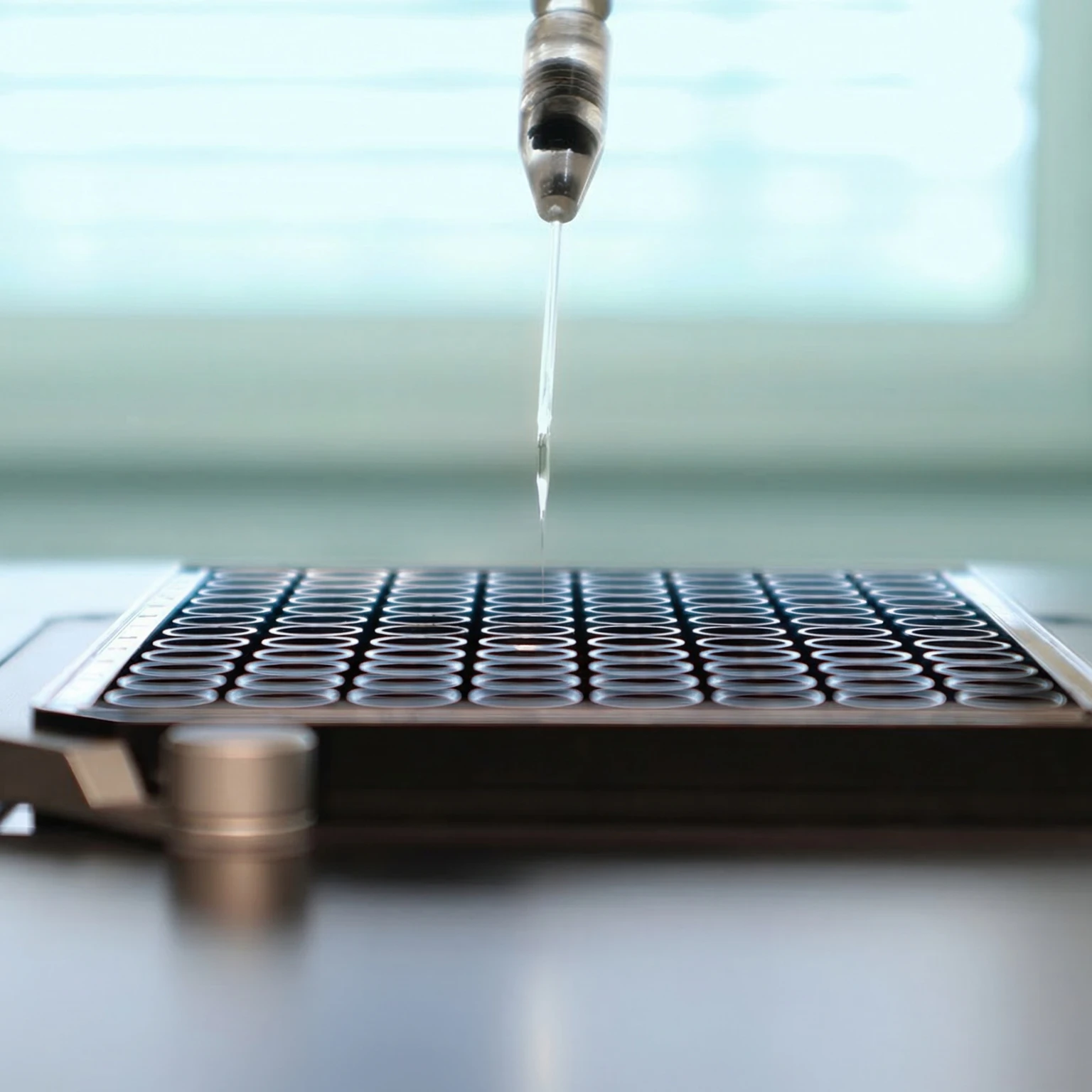
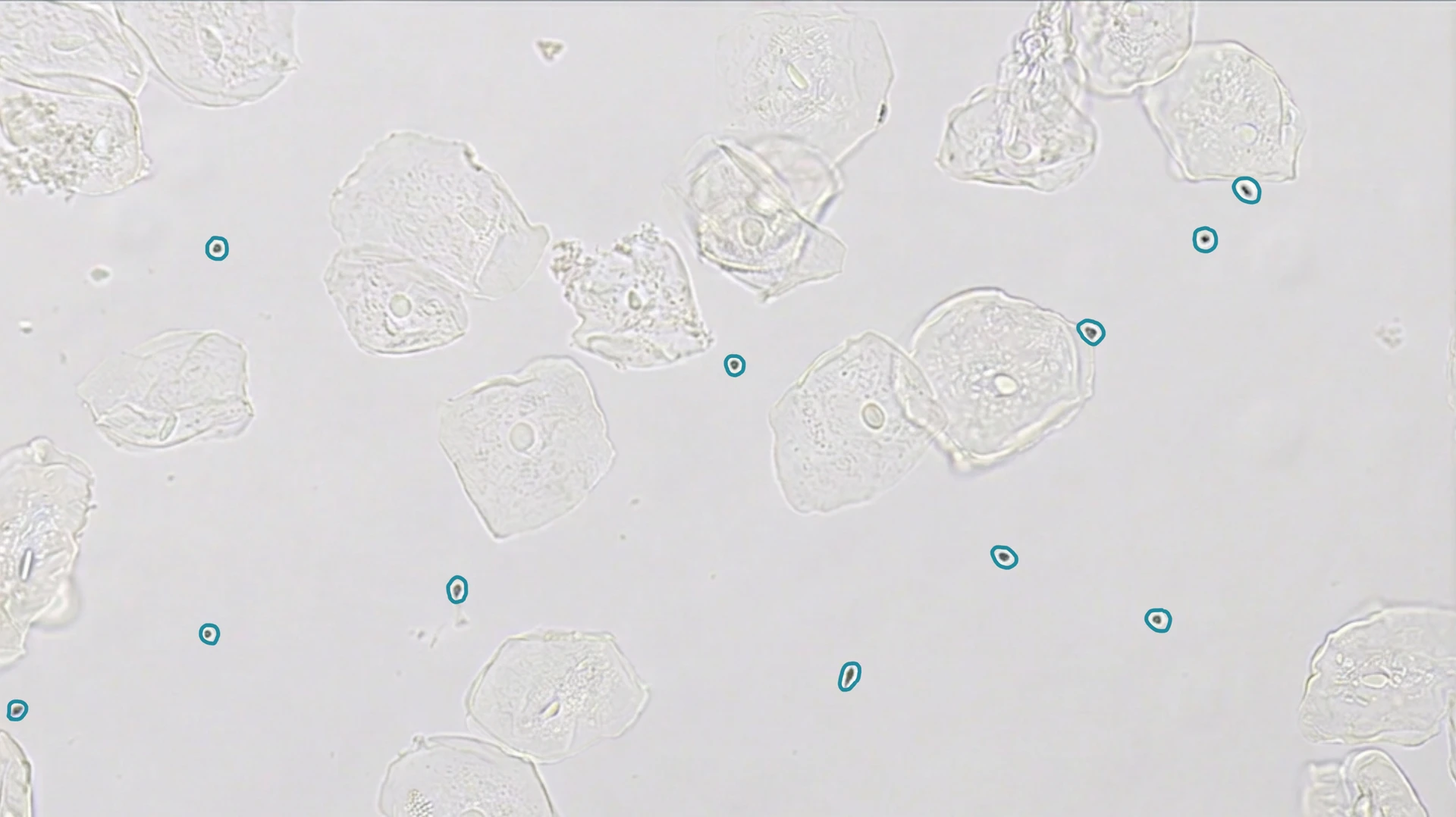
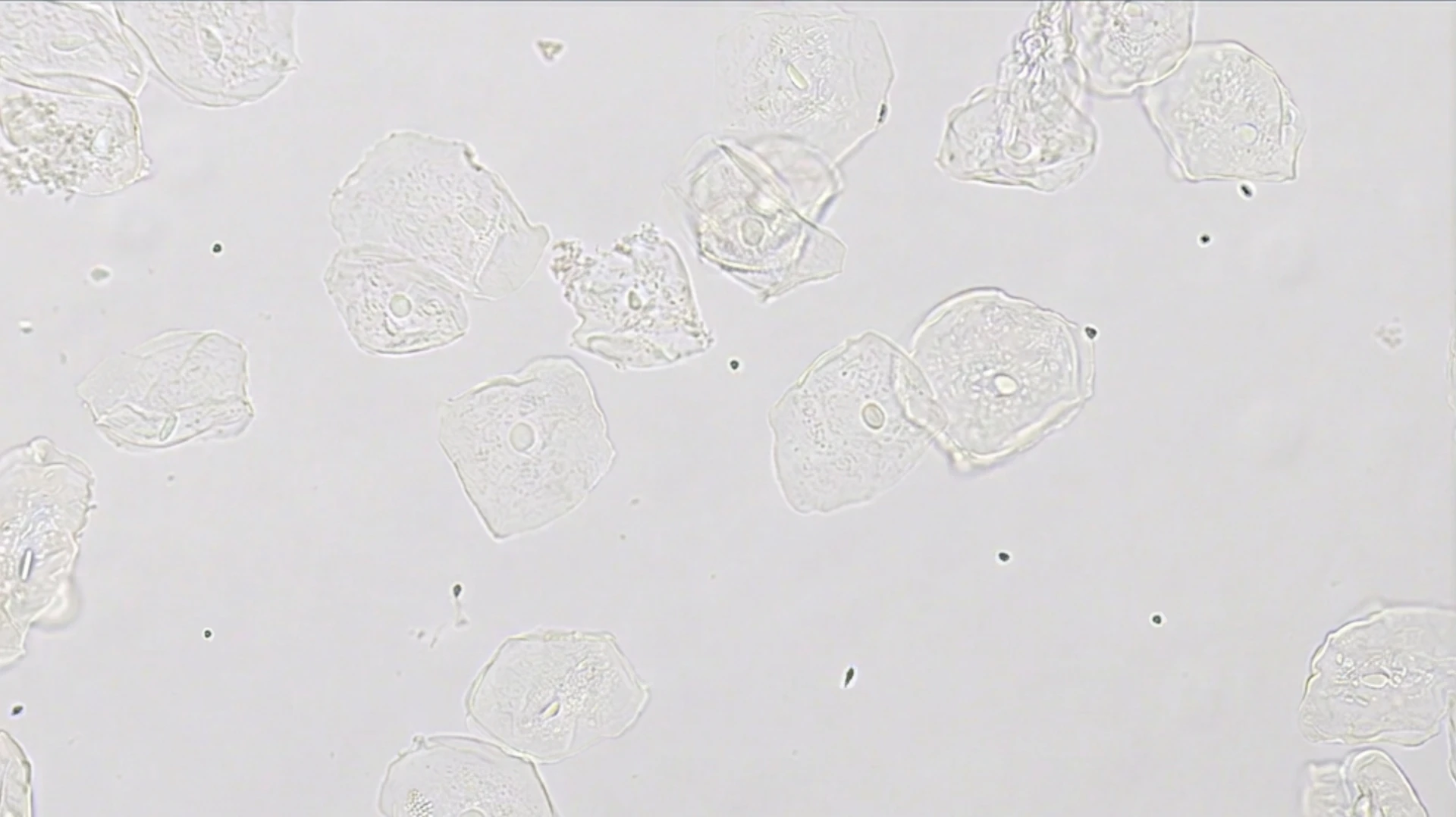
When combined with the CellEctor cell picker, CellDetector enables accurate identification of target cells in heterogeneous samples. In this instance, sperm cells are detected in a vaginal swab and then automatically isolated using the CellEctor system. This integrated approach enhances accuracy, efficiency, and gentle handling of sensitive samples, supporting a wide range of research and clinical applications.
Why Mark Kühnel Trust MMI
Cell segmentation is a computational image analysis technique, often powered by AI, used to identify and delineate cells, or other regions of interest,, within a tissue slide. In spatial biology, cell segmentation is essential for distinguishing different cell types and understanding their spatial organisation within complex tissues.
For cell segmentation with CellDetector, users define target structures (e.g. specific cell types) for the training process. These are then automatically recognised by the AI software in new samples. CellDetector identifies ROIs based on features such as colour, texture, and contextual information, ensuring accurate and reliable detection.
CellDetector is an advanced cell segmentation AI software that can be easily activated when an MMI CellCut and/or CellEctor system is available. Once activated, identified ROIs can be directly isolated—either via laser microdissection using CellCut or through automated cell picking with CellEctor—creating a seamless workflow from detection to isolation
No, image alignment is not required. Cell segmentation with CellDetector can be performed on the live image, allowing immediate isolation of ROIs. This eliminates additional alignment steps and enables a faster, more efficient workflow.