
Optical Tweezers Meet Lab-on-a-Chip Technology
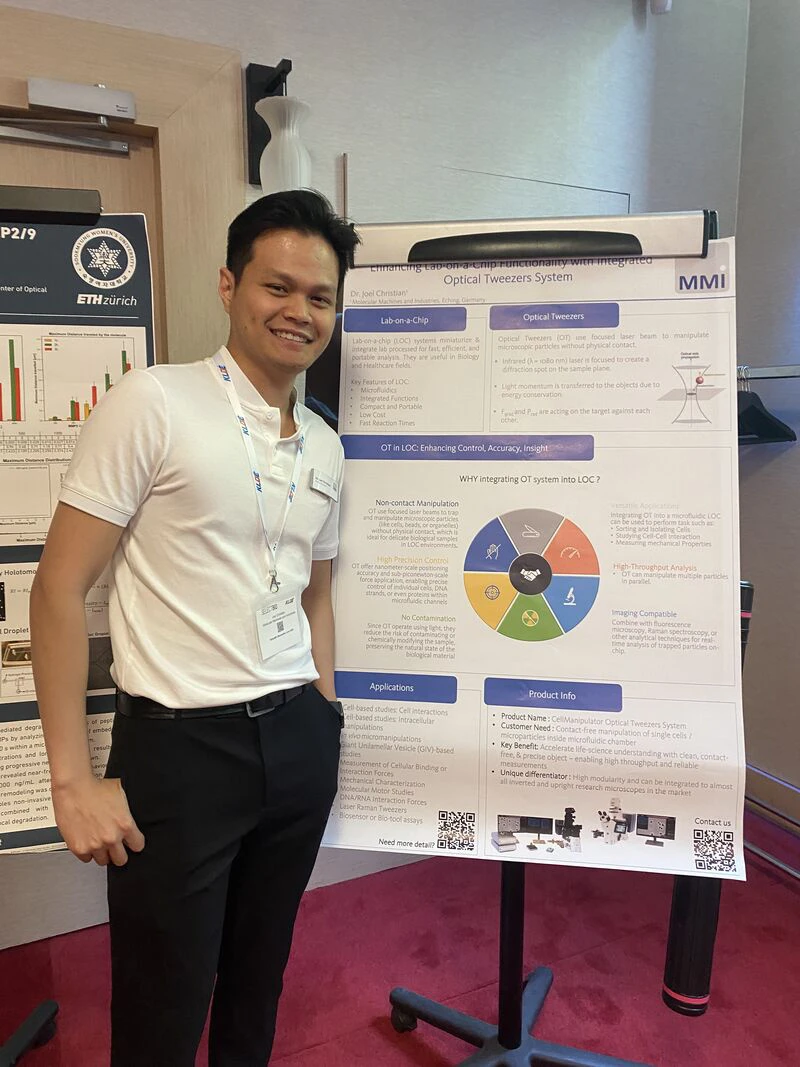
Last week, the MMI team represented by Dr. Joel Christian, attended SelectBio Lab-on-a-Chip & Microfluidics Europe 2025 in Montpellier, France. The program focuses on technological innovations like 3D‑printing, biofabrication, droplet microfluidics, point‑of‑care diagnostics, single‑cell analysis, and global health applications.
Integrating Optical Tweezers into Lab-on-a-Chip Systems
During the conference, MMI had the chance to present a poster with the title "Enhancing Lab-on-a-Chip Functionality with Integrated Optical Tweezers System"
Here is the abstract:
Lab-on-a-chip (LOC) technology has transformed the landscape of biomedical research by miniaturising and integrating complex laboratory processes into compact and portable microfluidic devices. However, a persistent challenge in these systems is the lack of flexible, precise, and contact-free methods to manipulate microscopic samples, especially in single-cell applications.
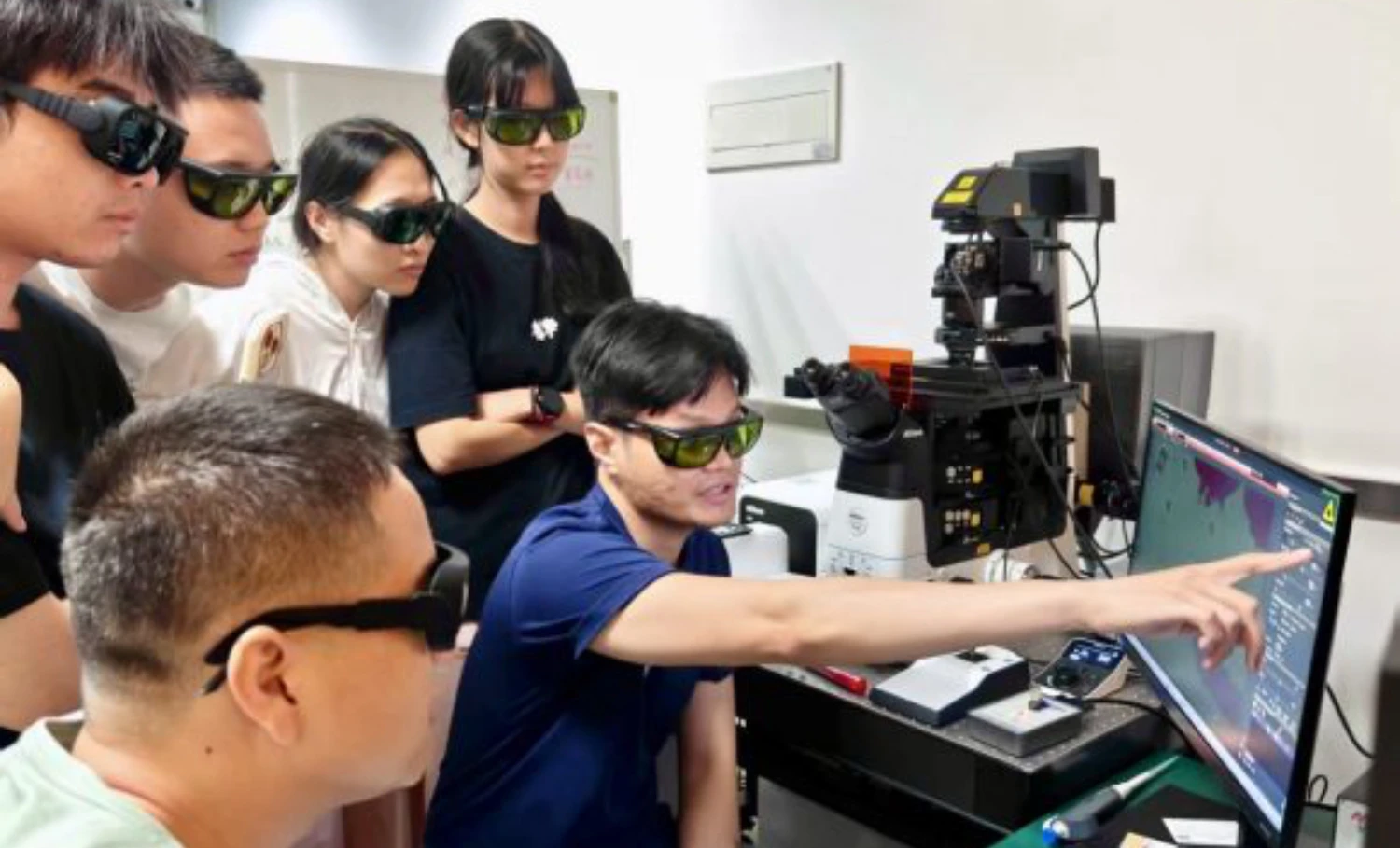
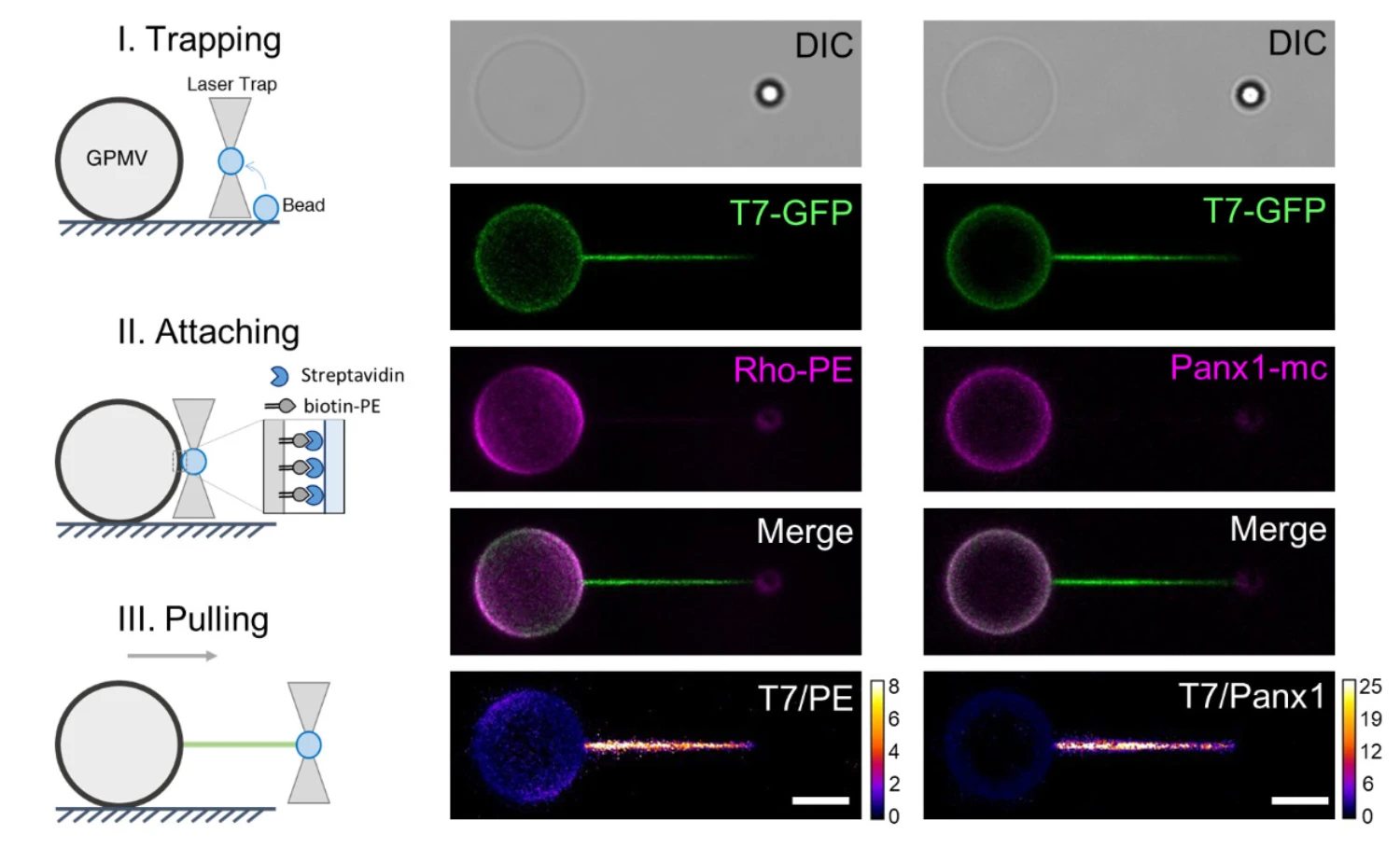
We present a perspective harnessing the powerful synergy between LOC systems and optical tweezers (OT), a non-contact manipulation technique that uses focused laser beams to trap and control microscopic objects with nanometric precision. By integrating OT into LOC devices, researchers can gain real-time, programmable control over cells or particles. OT offers versatility, such as sorting and isolating targeted cells. Ideal for an application such time-resolved single-cell phenotyping followed by genotyping. Furthermore, it opens possibilities for studying cell-cell interactions and measuring mechanical properties. Ideal for applications in single-cell biophysics and mechanobiology. OT can help overcome current limitations in LOC platforms, paving the way for more versatile, scalable, and high-resolution LOC applications in single-cell analysis.
CellManipulator, is a customised optical tweezers system. The system can be equipped with a quantitative force measurement system, allowing researchers to perform micro-rheology and biophysical measurements down to sub-piconewton force resolution.