

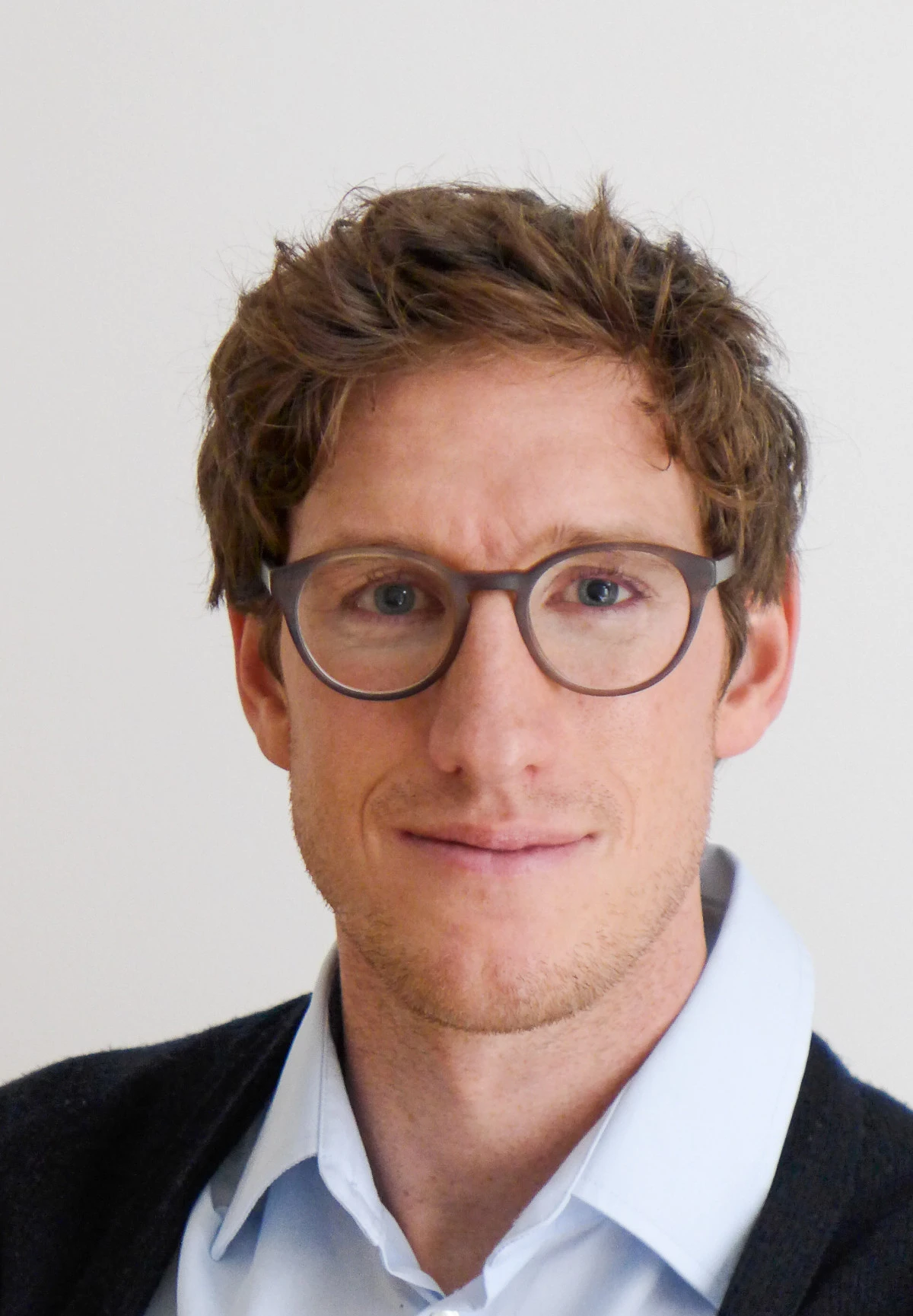
Andreas Walter
Prof. Dr. Andreas Walter studied physics and biophysics at Heidelberg University. His research focuses on developing and integrating fluorescence, electron, and X-ray microscopy for life sciences. Following a guest appointment at the European Molecular Biology Laboratory (EMBL), he completed his PhD summa cum laude at the Max Planck Institute of Biophysics in Frankfurt, developing electron microscopy methods. Fellowships from the German Research Foundation (DFG) and German Scholars Organization supported his subsequent work at the University of California, San Francisco, and Lawrence Berkeley National Laboratory, correlating soft X-ray tomography with cryogenic light microscopy. From 2016 to 2022, he directed Austrian BioImaging, coordinating over 35 imaging facilities and research groups. Since 2022, he has been Professor of Biophotonics and Bioimaging at Aalen University, developing correlative microscopy approaches for multiscale biological imaging (www.hs-aalen.de/zot-walter-lab). He also holds an MBA in Research Infrastructure Management from the University of Milano-Bicocca.
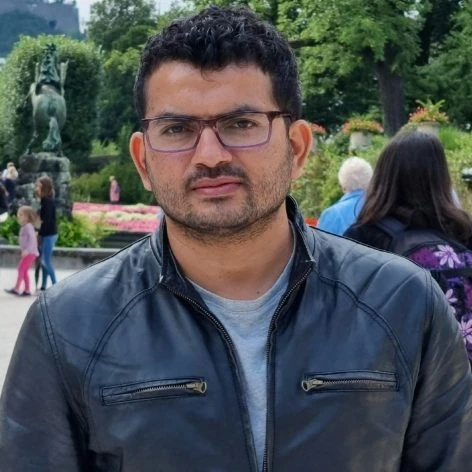
Jeewan Babu Rijal
Dr Jeewan Babu Rijal is a postdoctoral researcher at the BioOrganic Mass Spectrometry Laboratory (LSMBO), IPHC, University of Strasbourg, France.
He obtained his PhD in Analytical Chemistry in May 2024, focusing on the development and optimisation of quantitative proteomics methods for biomarker discovery in multiple sclerosis under the supervision of Dr Christine Carapito.
His research interests include mass spectrometry method development, single-cell proteomics, spatial proteomics, and immunopeptidomics.
He currently works on the ProteoVir project, investigating neuroinfection caused by different viruses and its impact on the proteomes of infected and neighbouring cells.
He has experience with highly sensitive mass spectrometry platforms from multiple vendors, including the timsTOF Ultra 2, timsUltra AIP, and Orbitrap Astral.
His work focuses on establishing sensitive and robust single-cell proteomics workflows to enable spatially resolved deep visual proteome analysis at the single-cell level, with future application in neuroinfection models.
Talk:
Towards Mapping Neuroinfection with Laser-Guided Spatial Single-Cell Proteomics
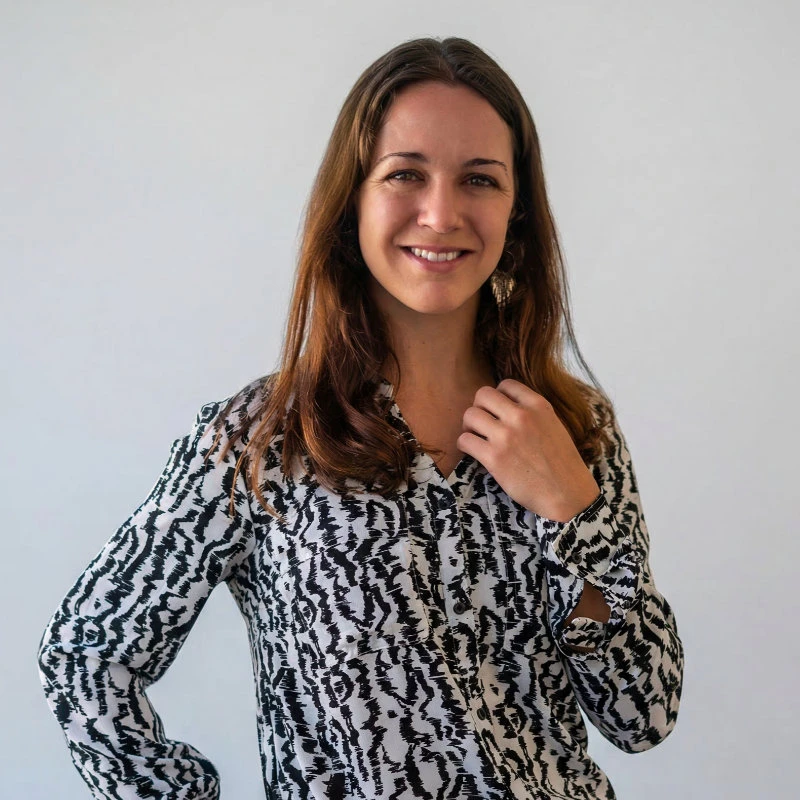
Ashley Remy
Ashley serves as the Sales Manager for the US West Coast at MMI and is an expert in microscopy. Before joining the MMI team, she spent several successful years at Zeiss, where she further developed her extensive technical and industry knowledge.
With a strong scientific background, Ashley's impactful research includes using advanced microscopy to analyse ancient dental wear and reconstruct the diets of Mount Vesuvius victims.
Talk:
Finding “The One”: How Microdissection and Cell Picking Uncover the Hidden World of Single Cells
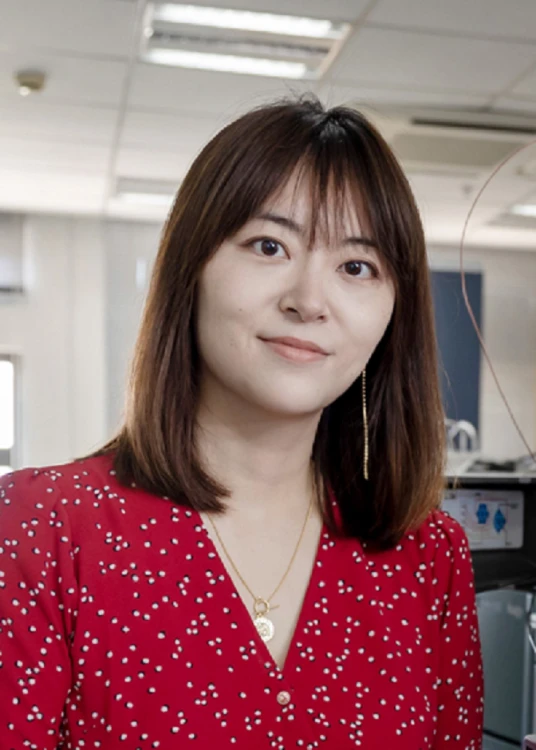
Ye Hui
Prof. Ye Hui focuses on developing advanced metabolomics and proteomics technologies to investigate metabolic changes associated with diseases such as cancer and inflammation. Her research aims to identify active metabolites and potential therapeutic targets. She also studies the molecular targets and mechanisms of natural drugs to support the development of new compounds. In addition, her work includes designing non-natural amino acids, modifying proteins, and exploring novel post-translational modifications. Another key research area is the cellular pharmacokinetics of biological drugs, with the goal of improving their design, optimisation, and evaluation.
Talk:
Spatial proteomics deciphers signalling protein in brain
Zilu Ye
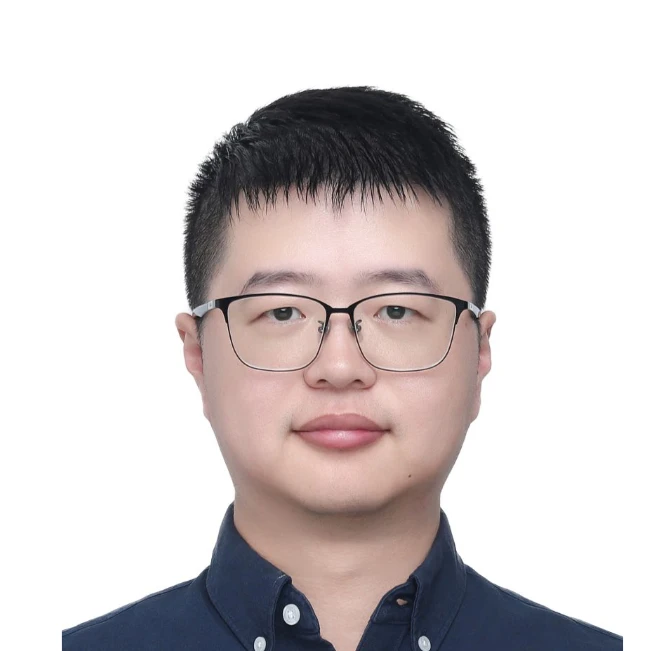
Dr Zilu Ye from the Suzhou Institute of Systems Medicine, Chinese Academy of Medical Sciences. Dr Ye is a PI and doctoral supervisor specialising in ultra-sensitive mass spectrometry and single-cell proteomics. His work has been published in Cell, Nature Methods, and Nature Biotechnology, with a recent focus on decoding dynamic protein networks at single-cell resolution.
Christian Neusüß
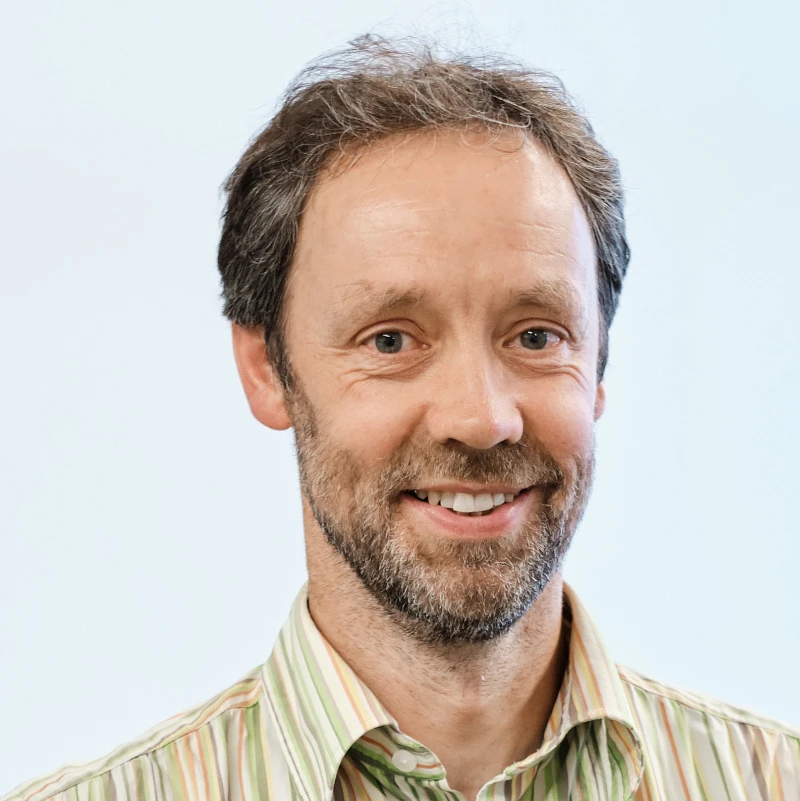
Christian Neusüß is Professor for Instrumental Analytical Chemistry with a focus on Mass Spectrometry at Aalen University. He received his diploma from the University of Heidelberg and his PhD from the University of Leipzig. His research interests include coupling and application of (electromigrative) separation techniques with mass spectrometry. He is focusing on technical developments such as nanoESI interfaces and miniaturised two-dimensional separations in combination with high-resolution mass spectrometry, as well as method development and applications for the analysis of proteins, metabolites and contaminants. He is co-author of more than 140 peer-reviewed publications (h-Index=50, Google Scholar).